Did you see or hear a bird today?
Bird Lab creates and implements bird-focused conservation practices through the integration of research, education, and community science–that together–create healthy ecosystems.
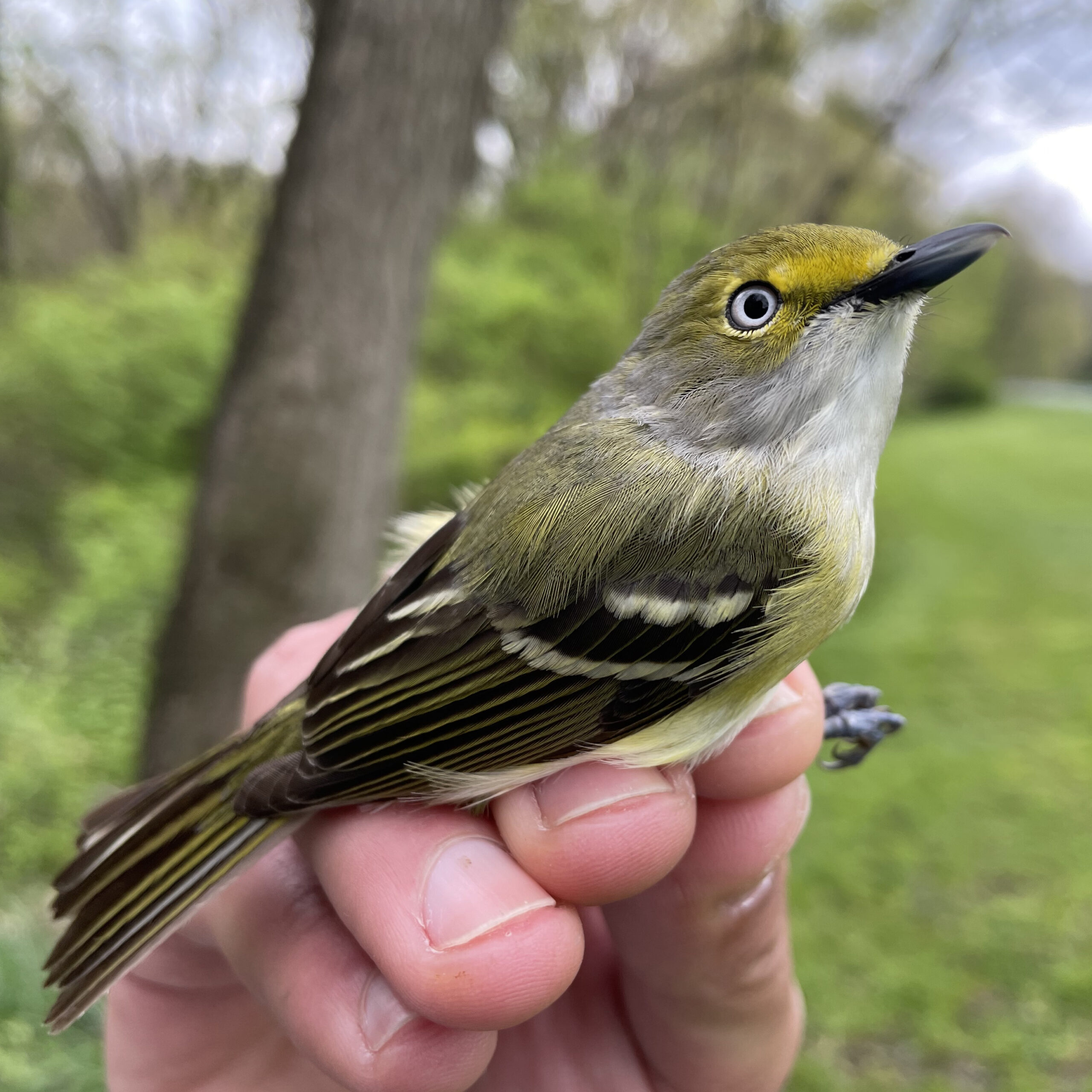
Research
Studying birds and their ecosystems to collect data that can help to inform conservation practices
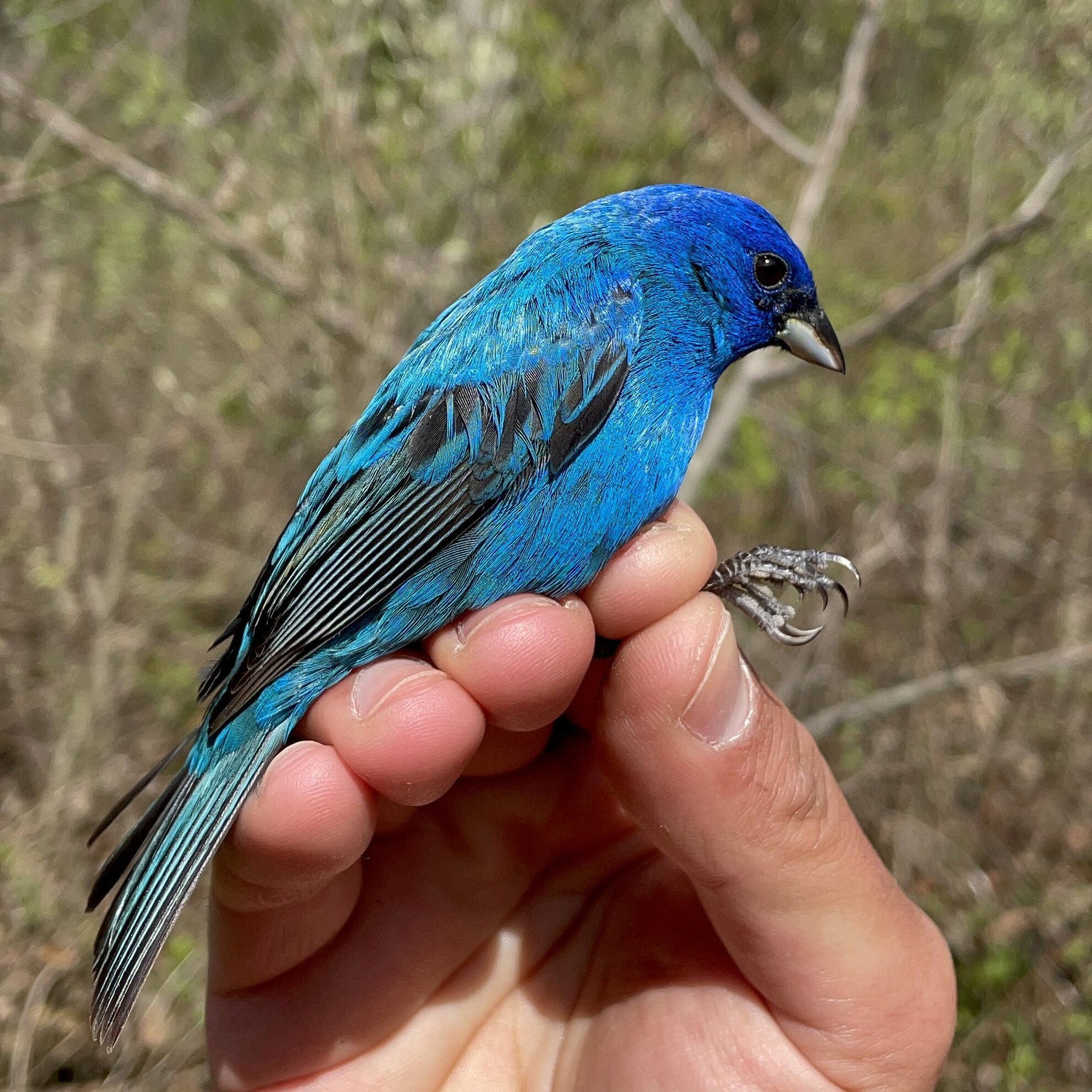
Education
Teaching folks of all ages about birds which opens up access to the natural world
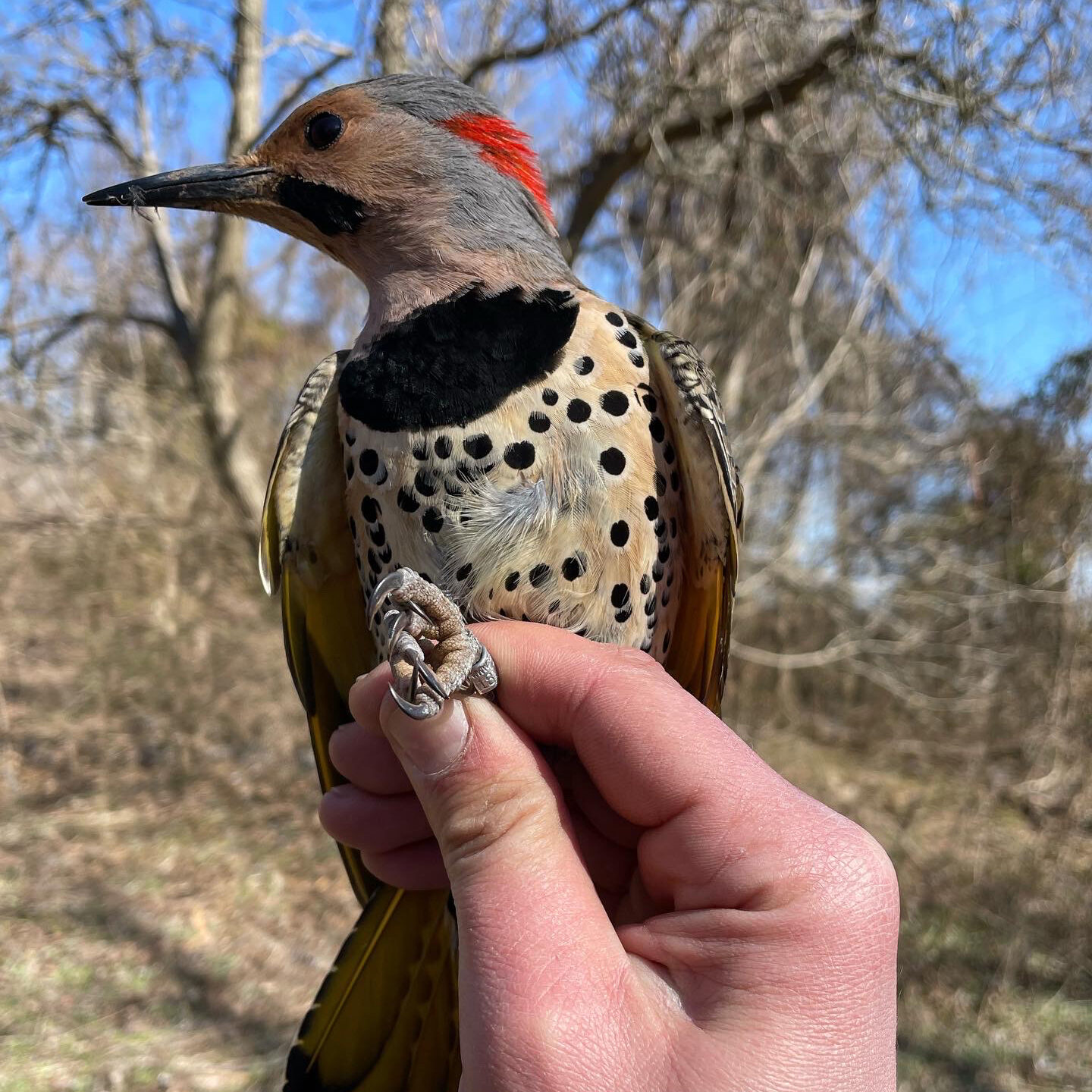
Community Science
Improving the public’s capacity to observe, understand, and measure the living world, inspiring them to conserve it
Birds enliven the world. We can watch a Hooded Warbler fly through a forest or hear a House Finch singing from the top of a city building. We can feel a Pileated Woodpecker’s vibration on a backyard tree as it echos through an ecosystem. As we experience birds, they connect us to the living world and all of its integrated systems.
The living world is facing unprecedented challenges though. By studying birds, we can help them to survive and to ensure their ecosystems remain healthy. In doing so, we create scenarios that allow humans to live along side the natural world without conflict, better connecting us.
Who We Are
Executive Director Nick Liadis
Nick G. Liadis is an avian conservation biologist. His work takes him across the human landscape gradient into urban, suburban, and rural areas to better understand how birds live alongside humans. With his background in architecture, he’s defined a new approach to design by expanding a strong interest in the natural world, and in particular, birdlife. Central to this cross-disciplinary work is protecting birds from striking the windows of buildings, which occurs when they get tricked into perceiving their habitat reflected in glass.
Nick has expanded his bird banding research with appointments at the Point Reyes Bird Observatory in California and at the Powdermill Avian Research Center in Pennsylvania. His bi-coastal experiences have given him tremendous insight into the struggles birds face when they encounter North American cities. This unique perspective is defined by promoting healthy landscapes across the multitude of environments that birds traverse as they migrate, from forests to cities.
As a research fellow at the Carnegie Museum of Natural History, Nick leverages his cross-disciplinary background with the depth of resources at the museum, such as the Bird Safe Pittsburgh Program. With his endorsement by the American Bird Conservancy and the American Institute of Architects to teach about bird-safe cities and buildings, he unites architects, planners, policy makers, and scientists around the protection of birds in cities.

Board
- Brooke Wyatt
- Lisa Kaufman
- Ben Kehoe
- Jon Rice
- Christine Best
- Joanna Bouldin
- Nancy Koerbel
- Carya Cornell
- Dave Brooke
Biologists
- Shaina Kenny
- Dana Dess
Collaborators

Bird Banding Study Sites:
Hays Woods – urban site
Upper St. Clair Woodland – suburban site (private property)
Twin Stupas – rural site (private property)
Banding and B.R.U.S.H.
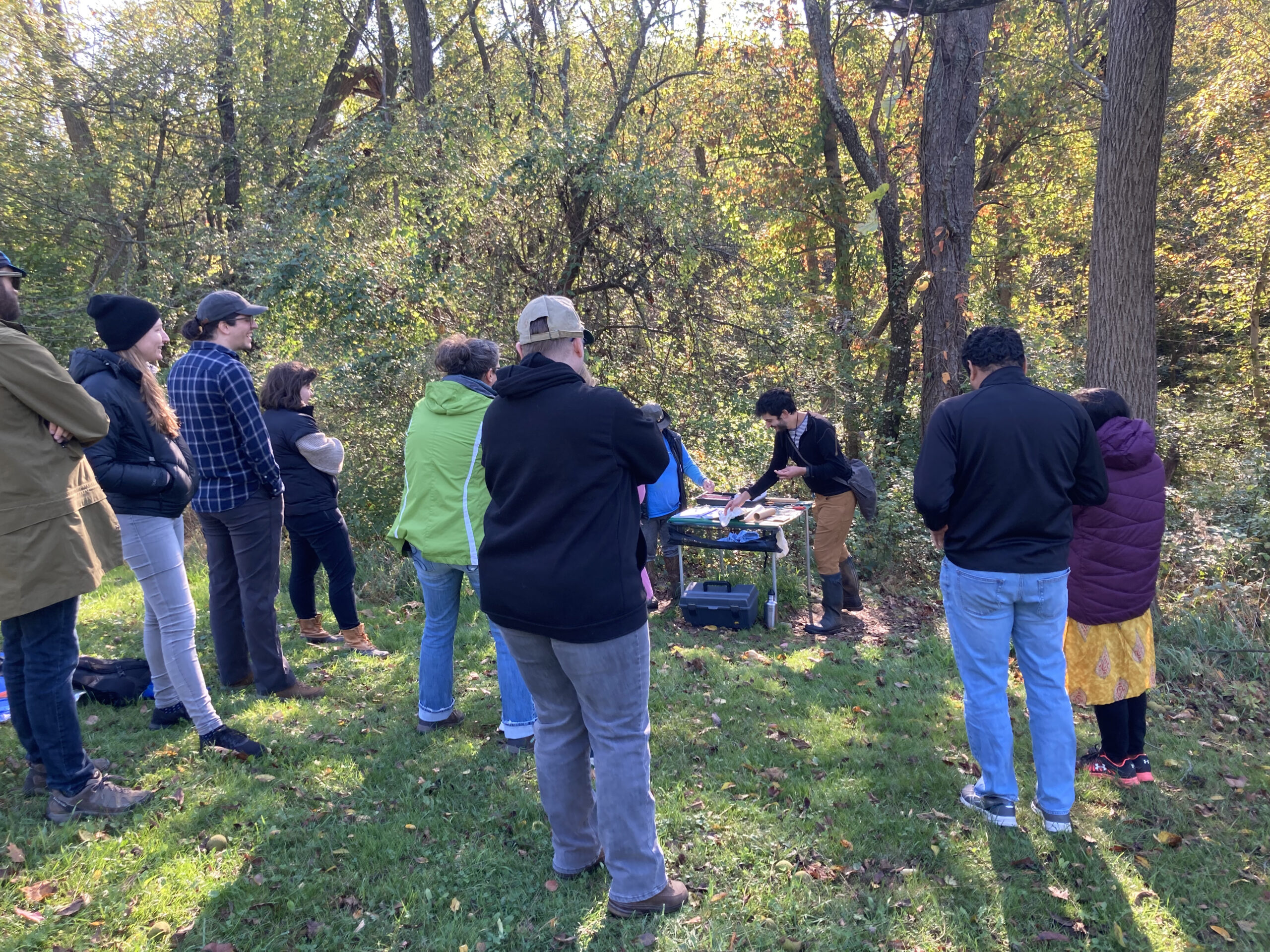
You can experience birds just about anywhere because they are everywhere! Visit Bird Lab’s bird banding project to see them in a different way. Up-close with a biologist. To schedule a visit, please contact Bird Lab by email.
More information about banding and B.R.U.S.H.
If you see a banded bird, report it!
You make our bird work possible!
We are deeply grateful for all we’ve achieved together. From our research efforts at Hays Woods to our education programs in the Laurel Highlands, we remain steadfast in our mission to help birds by transforming ecosystems through innovative research, education, and community-driven conservation.
We continue to pioneer methods for studying birds that are gaining recognition and having a profound impact on struggling ecosystems, transforming them into thriving landscapes for birds and other wildlife. Our work informs vital conservation strategies, such as native plant restoration in collaboration with our good friends at the Pittsburgh Parks Conservancy at Hays Woods.
We are committed to engaging diverse communities in our efforts and inspiring the next generation to protect our ecosystems. Your financial contributions ensure we can continue to nurture and strengthen ecosystems for both birds and people.
Together, we can ensure that future generations will marvel at the beauty and diversity of thriving bird populations. Your donation makes it all possible.
